
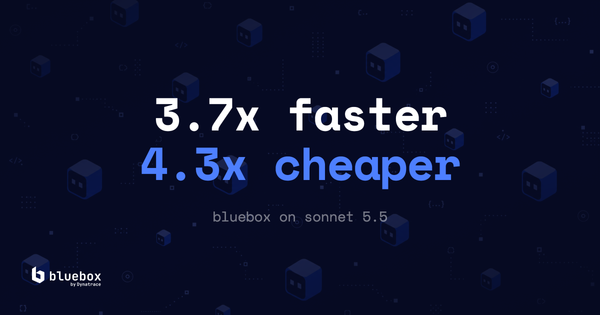
Switching Bluebox to Sonnet 5.5: the eval results
Bluebox runs on Anthropic's Sonnet 5.5 model since October 1. In our evals with SREGym, Sonnet 5.5 diagnosed more problems correctly than Sonnet 5





In this post: how Bluebox reviews, approves, and releases its own updates to production, and why that's a bigger deal than it sounds.
Every software team faces the same nervous moment: a new version of your application is ready, and someone has to decide whether it's safe to put in front of real customers. Usually that means an engineer squinting at dashboards, asking "does production look healthy? did anything just break? How risky is this change?" and then holding their breath and clicking deploy.
We built Bluebox to help with this, giving your AI agent contextual reasoning about live systems: watching production, spotting problems, explaining what's going wrong. So we asked an obvious question: why not let it do that for our own releases?
Think of a new version as a traveler passing through a series of checkpoints, each of which can wave it through or stop it.
First it lands in a development environment, then it's promoted to staging (a near-identical copy of production that acts as a dress rehearsal). Only after it has proven itself in staging does it get to attempt the final checkpoint: production, shipped to real customers.
The last checkpoint is the most challenging step. Before any version reaches customers, it has to pass a small panel of reviewers and some of those reviewers are Bluebox itself, turned inward.
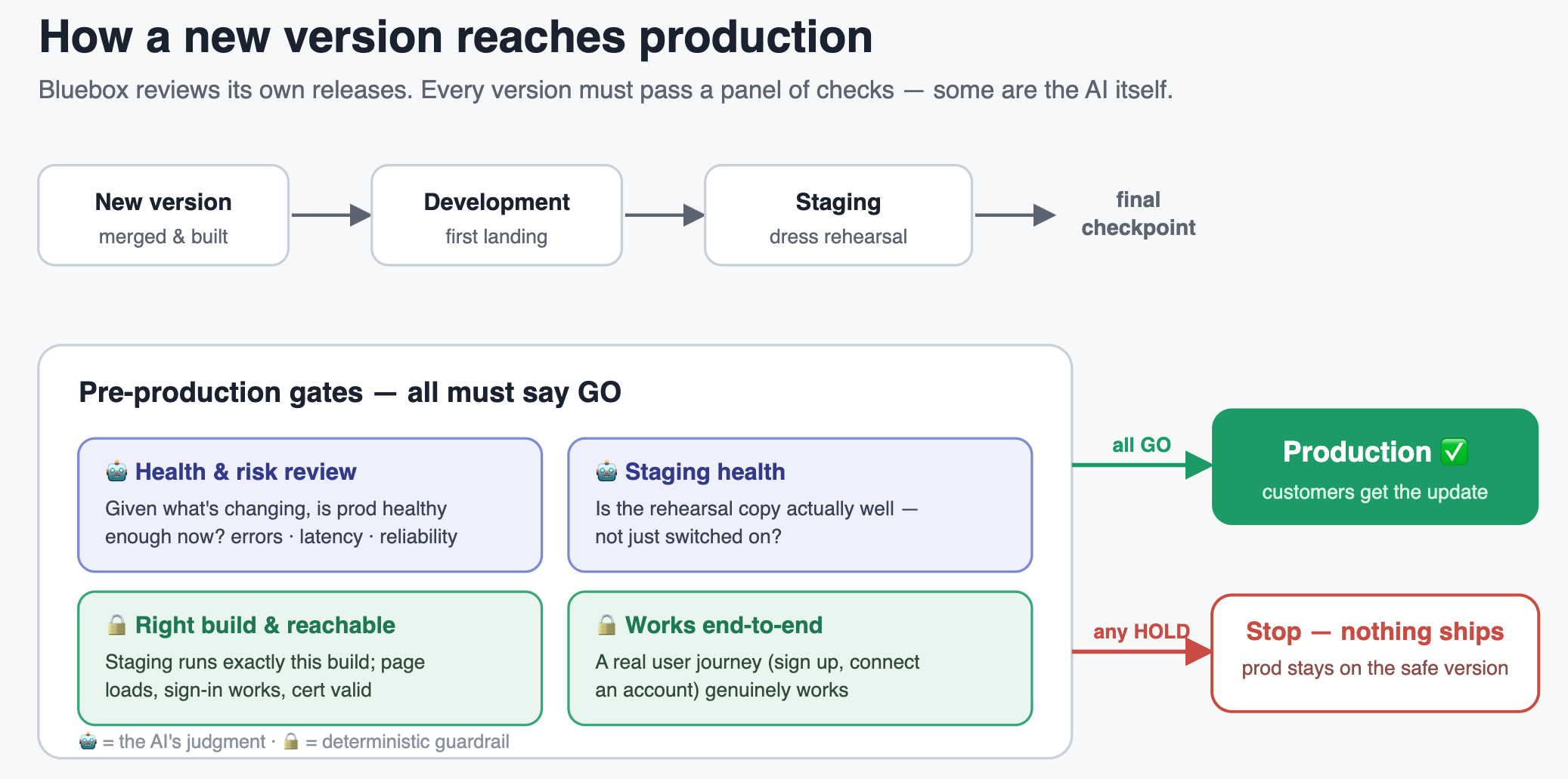
Here's what actually has to say "yes," in plain terms:
The bifercation is deliberate: the AI supplies the judgment ("is now a safe moment?"), and the mechanical checks supply the hard guardrails ("right build, actually working").
The most important structural design choice is this: if anything is unsure, the release stops. No decision reached, a broken check or a reviewer that can't reach the data means hold. Nothing goes live based on ambiguity. We even validate and track it post deploy to ensure the release performs as expected.
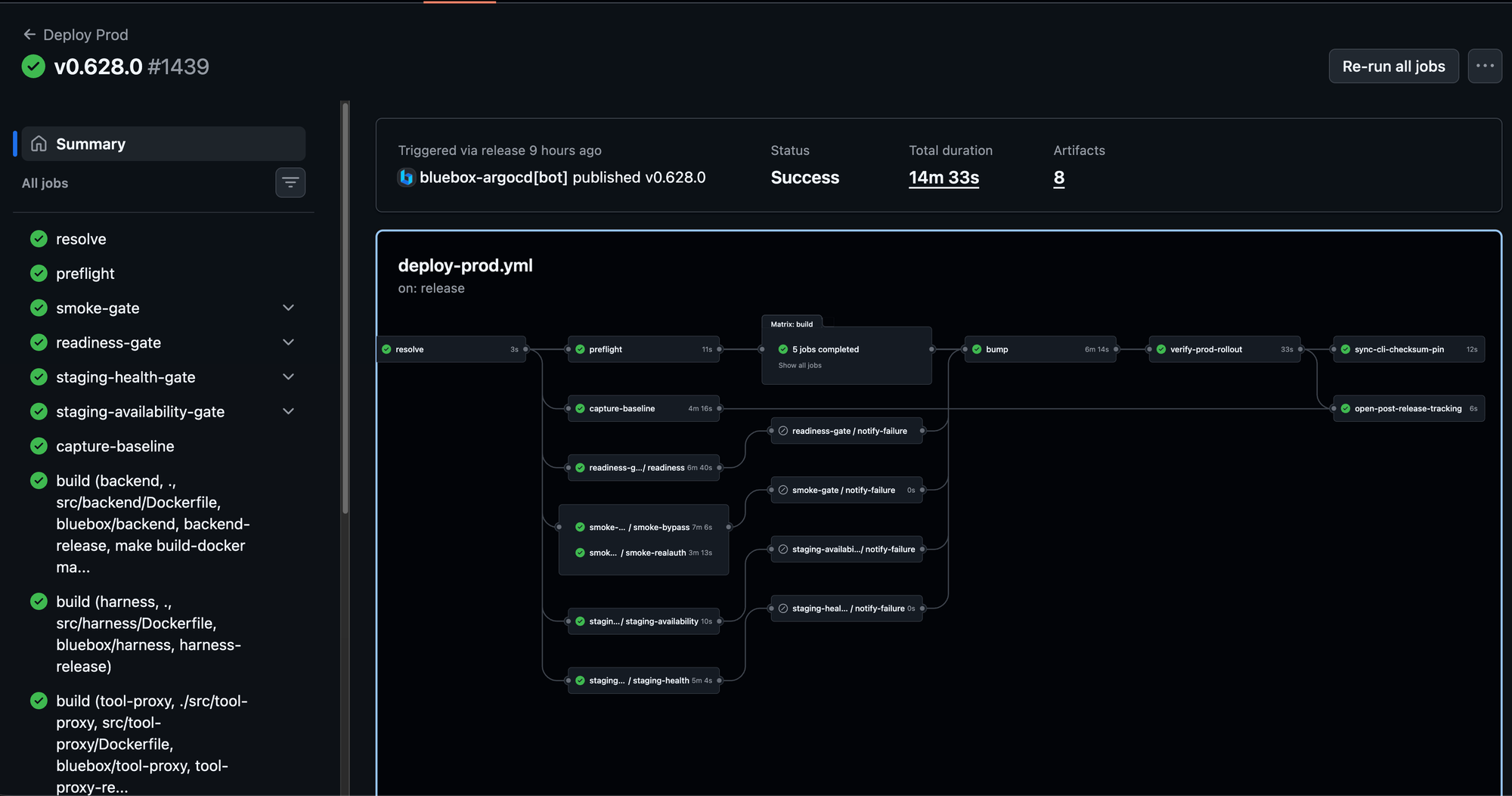
It can run unattended, on a schedule, with no human at the keyboard at deploy time. The agent and the checks make the call. Humans still hold the reins, final approval, rollback and emergency override for true incidents, but the tedious, error-prone watching is handled for us.
Just recently, as a new version moved toward production, one of the checks caught a small user-interface glitch and paused the release before shipping it to prod. Nobody had to notice manually. Bluebox as the safety net noticed.
"How we let Bluebox decide to ship itself" is a fun headline, but the real meat is what it represents:
We're shipping our own product using our own product's judgment, with the safety net on. And every time it quietly holds a release that wasn't quite ready, it makes the same case for everyone else's operations that it just made for ours.
Rethink how you do deploys and what role an agent can play in making the process more resilient and not need a human own the whole release. Bluebox can help.
Bluebox runs on Anthropic's Sonnet 5.5 model since October 1. In our evals with SREGym, Sonnet 5.5 diagnosed more problems correctly than Sonnet 5
You've got a coding agent. It writes code fast. But it has no idea what's happening in production: no error rates, no traces, no

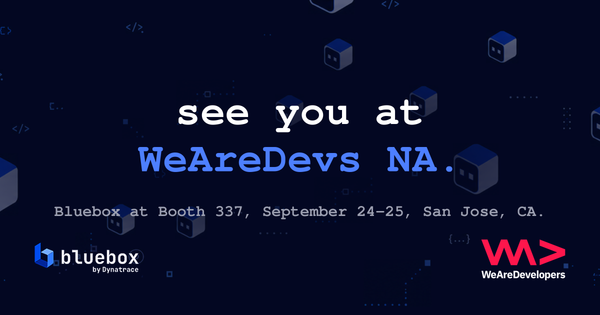
Come meet the Bluebox team, along with 10,000+ other developers, at WeAreDevelopers North America in San Jose this week. September 24th to 25th at the McEnery Convention